
At Other 23 Wellness in Camp Hill, we offer a wide spectrum of tools — cryosauna, cold plunge, infrared sauna, red light therapy, compression (Normatec), massage for relaxation, cupping, and more. Other 23 Wellness But just because a service is trendy or high-tech doesn’t mean it’s essential for everyone’s recovery.
Cold immersion (e.g. cold plunge, whole-body cryotherapy) can be powerful for reducing inflammation, speeding muscle recovery, and stimulating circulation—but it’s not universally appropriate. Some people may find cold exposure stressful, exacerbate certain conditions, or simply prefer gentler modalities.
Here’s why a “less is more” approach often makes sense:
Individual tolerance varies: Some people tolerate cold well; others find it uncomfortable or counterproductive to relaxation.
Contraindications exist: People with circulatory issues, Raynaud’s phenomenon, cardiovascular disease, or cold sensitivities may need to avoid or limit cold therapies.
Recovery is multifaceted: True recovery means more than reducing inflammation or flushing metabolites. It also includes restoring the nervous system, promoting rest, and supporting circulation and tissue healing.
Complementary therapies often do the heavy lifting: Massage therapy, manual therapies, cupping, and fascia work can provide deep recovery without stressing the body with extreme temperature.
In short: cold plunge, cryosauna, and other advanced modalities can be powerful tools — but they’re not the only path to recovery or relaxation.
Healing Through Touch: Why Massage Therapy Matters
Massage therapy remains one of the most accessible and versatile tools for relaxation, stress relief, and physical recovery. Whether your goal is winding down, alleviating muscle tension, or supporting post-workout regeneration, massage should be a cornerstone of any wellness routine.
Key Benefits of Massage Therapy
Tension relief & soft tissue mobilization
Therapeutic massage addresses trigger points, tight muscles, myofascial restrictions, and adhesions. It’s hands-on, adjustable to your comfort level, and targeted to where your body needs it most.Improved circulation & lymphatic flow
Massage helps boost blood flow to tissues, delivering nutrients and oxygen and supporting waste removal. It also stimulates lymphatic drainage, assisting with swelling or residual metabolic buildup.Stress reduction & nervous system reset
The act of being touched in a safe, therapeutic setting helps shift the nervous system from “fight/flight” to “rest/repair.” This can lower cortisol levels, improve heart rate variability, and support deeper sleep.Enhanced recovery & injury support
After workouts, services like deep tissue massage, sports massage, or trigger point work can reduce soreness, mitigate DOMS (delayed onset muscle soreness), and accelerate recovery timelines.Mind-body integration
Massage isn’t purely mechanical. The relaxation, downtime, and breath awareness that accompany sessions contribute to emotional balance and a sense of calm.
The Glendale (Parkway) clinic describes how massage is not just a “pampering” service, but a therapeutic tool used to relieve pain, support injury recovery, and improve mental well-being. Parkway Back & Foot
Cupping Therapy: A Powerful Adjunct to Massage & Recovery
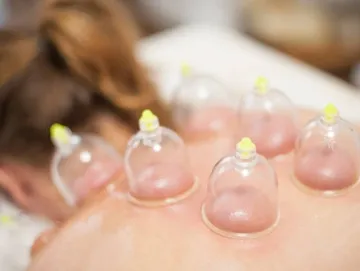
Cupping is increasingly appreciated as a complementary modality in the wellness and recovery toolkit. When combined with massage, it can enhance treatment depth and support targeted release in ways that hands alone might struggle to reach.
What Is Cupping?
Cupping places vacuum cups (glass, silicone, or plastic) onto the skin, creating suction that gently lifts the skin and superficial tissues. The cups may stay in place (static cupping) or be moved (dynamic/massage cupping). Cleveland Clinic+2WebMD+2
Through the suction effect, cupping:
draws blood into the area, improving circulation
loosens fascial adhesions and connective tissue
encourages lymphatic drainage and waste removal
reduces local stagnation and inflammation
triggers a healing response via localized microtrauma (capillary stimulation) PMC+1
Benefits of Cupping for Recovery & Relaxation
Deep fascial release — Cupping can decompress tight tissues more gently than aggressive manual pressure, providing relief to “stuck” areas.
Enhanced blood flow & detoxification — Increased perfusion helps deliver nutrients and remove metabolic byproducts more efficiently.
Reduced pain & inflammation — Many users report decreased discomfort in stubborn or chronic tension zones. Cleveland Clinic+1
Synergy with massage — Massage can warm tissues and mobilize them; cupping can follow to draw deeper release, then massage can finish with smoothing and integration. Clinics often promote “cupping boost” to a regular massage to enhance outcomes. centennialco.spaviadayspa.com
Relaxation & nervous system easing — The gentle suction can feel soothing, and as tension dissipates, the nervous system is free to unwind.
Safety & Considerations
Cupping is relatively low-risk when performed by a trained practitioner, but as with any therapy, awareness is key. Common side effects include temporary red or purplish marks (not bruises in the conventional sense) that fade within days. WebMD+2Cleveland Clinic+2
You should avoid cupping if you have:
skin infections, dermatitis, or open wounds
bleeding or clotting disorders
certain cardiovascular conditions
sensitive skin or thin skin areas
pregnancy (in many cases, practitioners avoid cupping over the abdomen)
Always consult your healthcare provider or therapist to determine if cupping is appropriate for you.
Crafting Your Personalized Relaxation & Recovery Plan
Every person is unique — there’s no one-size-fits-all formula for recovery. But here’s a simple framework to help you blend modalities wisely:
Start with baseline needs
If stress, tension, or mild soreness is your primary issue, begin with massage and bodywork. Let these modalities restore calm and mobility.Introduce cupping selectively
Use cupping when you have lingering tight spots, fascial “stickiness,” or plateaued regions that don’t respond fully to massage.Use cold plunge or cryotherapy judiciously
Reserve cold immersion or cryosauna for times you want a circulatory shock, reduce acute inflammation, or accelerate recovery post-injury. Don’t feel obligated to use it every session.Monitor your response
Pay attention to how your body feels after each treatment. If cold exposure leaves you achy or stiff, dial back or skip it next time. If massage + cupping leave you lighter and freer, lean into that.Schedule recovery regularly
For many clients, a maintenance rhythm of massage (with or without cupping) once every 1–3 weeks works well. Use advanced therapies like cryo or cold plunge when needed, not out of guilt or trend.Support recovery outside the spa
Hydration, sleep, gentle movement (yoga, walking), mobility work, and proper nutrition all amplify the effects of manual therapy and recovery systems.
Why Other 23 Wellness Leads with Choice & Flexibility
At Other 23 Wellness, our philosophy is not “one tool fits all” — it’s empowerment through options. We offer cryotherapy, cold plunge, hyperbaric, red light, massage, cupping, and more in one integrative wellness hub. Other 23 Wellness
But what makes our approach special is helping each client design their own optimal recovery path. For some, a regular massage or cupping session is more beneficial and sustainable than routine cold plunges. For others, blending both yields peak results.
We believe in guiding you, not pressuring you. If your body thrives on warm touch, hands-on therapy, and slow mobility, that’s valid. If you’re drawn to cold immersion, it’s available. The goal is to make your recovery and relaxation sustainable, effective, and regenerating.